Ledger Live Desktop:
Your Beginner-Friendly
Guide
A calmer first step into managing your crypto accounts. Learn what the desktop app does, how your hardware wallet fits in, and the everyday habits that help keep your assets secure.
Explore the guideIndependent educational resource · Not affiliated with Ledger
What Ledger Live Desktop Is
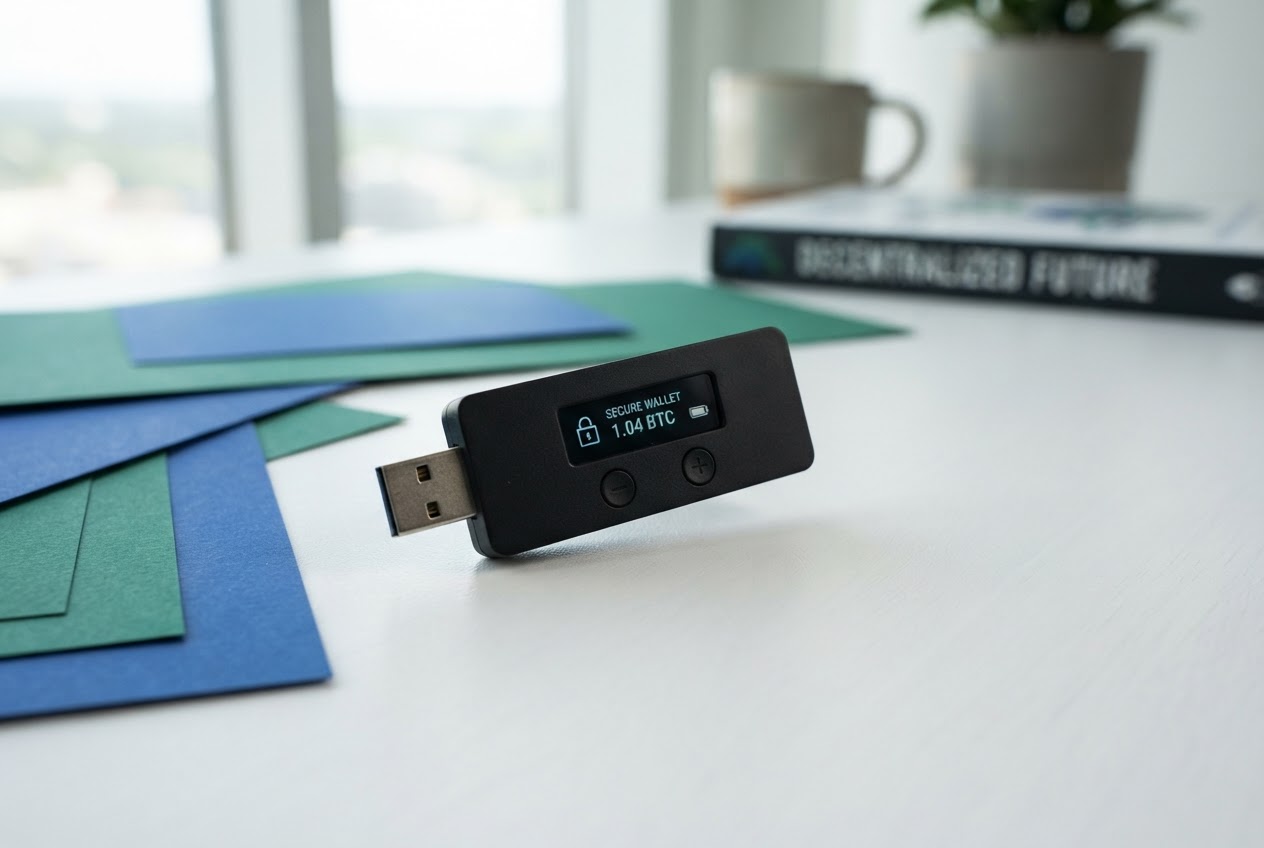
Ledger Live Desktop is a computer application designed to work with a Ledger hardware wallet. It gives you a place to view supported accounts, review balances and activity, and initiate certain crypto actions. Think of it as the window into your accounts—not the place where your private keys are stored.
Your hardware wallet keeps private keys protected on the device. When an action needs approval, such as sending an asset, the details are presented for you to review and confirm on its screen. The app and device have different jobs, and knowing that difference is foundational to using them confidently.
App for visibility. Device for approval.
The desktop interface helps you prepare and understand an action. Your device is where you verify sensitive details and authorize it.
Getting Ready
Start with a computer you trust, a stable internet connection, and your hardware wallet. If this is a new device, follow the setup instructions included with it and choose your own PIN directly on the device. Make sure you understand how its recovery phrase is created and stored before adding value to an account.
Install the desktop application only through Ledger’s official channels. Check the publisher and source before installing, and avoid links in unsolicited messages, ads, or search results that imitate a familiar brand. The app may ask for permissions needed to communicate with your device; read prompts rather than approving them automatically.
Keep your first session simple: set aside a few uninterrupted minutes, have your device nearby, and don’t share your screen or recovery information with anyone.
Starting the Desktop Experience
On first launch, the app typically guides you through choosing a setup path: connect an existing device, configure a new one, or explore the interface. Follow the current on-screen instructions for your device and operating system. Menu names can change as software evolves, so treat this guide as orientation rather than a substitute for the latest in-app help.
Once inside, expect a navigation area for accounts and portfolio views, plus a main panel showing information for the selected view. Some features may depend on your device, supported assets, region, or software version. You do not need to connect or transact to learn where things are.
Connecting Your Device
Connect using the method supported by your model—often USB, with some models supporting wireless connections. Unlock the device with its PIN, open the relevant app on the device if prompted, and follow the desktop instructions. If it is not detected, try another cable or port, close other wallet software, and check that both app and device firmware are current.
Never type your recovery phrase into the desktop app, a website, or a support chat to solve a connection issue. A legitimate connection flow does not need your recovery phrase.
Understanding Accounts
Accounts are organized views for particular networks and assets. Adding an account lets the application find and display its activity; it does not move funds or create a new private key. An account’s address is public information used to receive assets, but always verify the network and address on your hardware wallet before relying on it.
An account is a view, not a vault.
Your keys remain protected by your hardware wallet; account screens make related activity easier to follow.
Exploring Portfolio Information
A portfolio view can bring supported account balances and recent activity together. Values shown in a display currency are estimates based on market data and may move quickly; they are not guaranteed sale prices. Pending transactions, network delays, or data-provider interruptions can also make information appear incomplete for a while.
Use the overview to understand what is recorded, not as a substitute for checking transaction details. Before sending, carefully compare the asset, network, destination, and amount on your device screen with what you intended.
Security Basics
Security is a set of habits, not a single setting. Keep your PIN private, lock your device when it is unattended, and install app or firmware updates from verified sources. Treat unexpected messages and urgent requests with suspicion—even if they use familiar names, logos, or technical language.
Confirm every transaction on the hardware wallet itself. A computer can be compromised or display misleading information; the device screen is the final place to check what you are authorizing. If anything looks unfamiliar, reject the action and investigate through trusted support resources.
Recovery Information
Your recovery phrase is the backup to your wallet. Anyone who obtains it may be able to access the assets it controls, so write it down privately during setup and store it offline in a secure place. Never photograph it, save it in cloud storage, email it, or enter it into a computer or phone. Ledger support will never need you to reveal it.
If a device is lost or damaged, recovery is performed using the phrase on a compatible trusted wallet—not by sending the phrase to another person or service. Make sure you understand your own backup plan before relying on a wallet for meaningful value.
Updates and Maintenance
Updates can improve compatibility and address security issues. Read the release notes and follow current official instructions for both the desktop app and device firmware. Before a major change, ensure your recovery phrase is safely backed up and never proceed if a prompt asks you to disclose it. Use a trusted connection and avoid interrupting a firmware update once it has started.
Review account activity periodically and remove software you no longer use. If a balance or transaction looks unexpected, verify it using reliable network information and seek help through official support channels.
Common Questions
Does the desktop app hold my private keys?
No. The hardware wallet is designed to keep private keys on the device. The desktop app provides account information and helps prepare supported actions.
Can I look around without making a transaction?
Yes. You can explore the interface and read account information without sending assets. A transaction requires deliberate steps and confirmation on your device.
What should I do if my device is not detected?
Check the cable and USB port, unlock the device, and follow the current app prompts. Update from verified sources if needed. Do not share your recovery phrase as a troubleshooting step.
Are displayed balances guaranteed to be current?
No. Values and activity may be delayed or rely on market data providers. Treat displayed prices as informational estimates.
Quick Reference Checklist
Before you get started—and whenever you need a reset—keep these essentials in view.
Install the desktop app from a verified official source.
Keep your PIN and recovery phrase private and offline.
Use the hardware wallet to verify and approve transactions.
Double-check the network, destination, and amount on device.
Ignore urgent requests for your recovery phrase, from anyone.
Ledger Live Desktop can make account information easier to navigate, but safe self-custody depends on your own careful verification and backup habits.
Confidence comes from knowing the basics.
Keep this guide close as you explore your workspace and build safe habits.